Ticketing & Tech
Timing is Everything: Speak to Visitors Like You Know Them
How attractions can use personalisation technology to speak to visitors more naturally, sending the right message, through the right channel, at the right time.
10 November 2025
By Leo Brown
Most attractions have nailed the basics of digital marketing. They've got mailing lists, post-visit surveys, and usually some automated "thanks for visiting" type of email. But what happens after that is usually the same for everyone - every family, member, or day visitor gets roughly the same messages, at roughly the same time. It's efficient, but it isn't very personal. For me, I just ignore them because of that.
More recently we are seeing dedicated personalisation tools coming in, like Microsoft Azure's 'Personalizers'. This is where I see it changing the game. Their entire purpose is to learn from visitor behaviour, not assumptions. So instead of rules written by marketers, you have live data to figure out what actually works - which message, through which channel, at what moment, for each person.
The old way of personalisation meant building long lists of audiences: families, members, locals, adults-only, and so on. But real people don't fit neatly into categories - I've talked about this before. Personalisation engines move past that. They learn from thousands of small interactions; who opens an email, who books extras, who visits the cafe - and they spot patterns. I've been working with psychographic data & targeting for quite a while and I tell you, it's not easy to do that manually - or create an algorithm that does it efficiently. Pulling data, cleaning it from ticketing systems, CRMs and or data lakes is complex and takes a stupid amount of time. An engine that does it for you takes that heavy lifting away.
If the system notices that families who visit on Sunday mornings often add an animal encounter to their booking the night before, it will start nudging similar visitors at that same time. If members who buy art-themed event tickets tend to click on evening offers, it will prioritise those for similar people next time. It’s not magic; it’s actual learning.
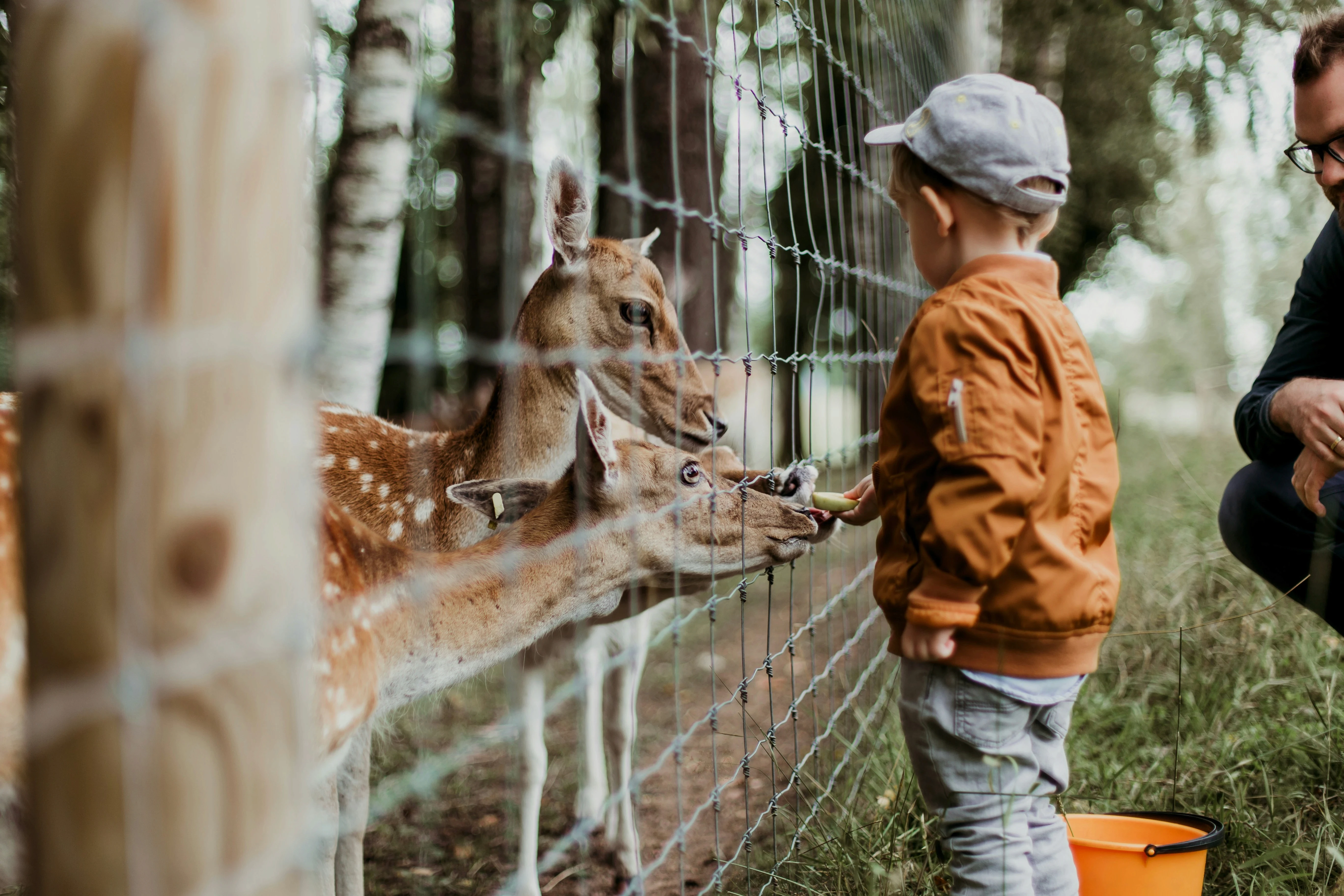
For attractions, timing should be everything. As I have said far too many times, a perfectly written ad or notification is useless if it arrives too early or too late. It can be as simple as a family booking a farm park visit for Saturday, then getting a short WhatsApp message the day before offering half-price private petting sessions. Or as complicated as a personalisation engine trained on years of booking behaviour, purchase history and campaign performance, and engagement patterns, quietly deciding not only what to send, but how and when. It might draw on historic data to learn that families who book during school holidays respond best to playful, image-led subject lines, while members who visit regularly engage more with concise, benefit-focused wording. It might even test tens of subtle variations like time of day, phrasing, offer type, and use those results to predict the most effective combination for each individual in real time.
None of this outreach feels random, it feels relevant. That's what modern personalisation does best - it removes the guesswork from comms and makes it feel natural, like a helpful suggestion your friend might make when they know you like a certain thing. The marketing team still have control, it's just lead by data.
So how does this work in practice? Well the beauty of this kind of system is that you don't need to rebuild anything from scratch. Start small - identify one or two moments in your visitor journey where you might be lacking, let's say the day before arrival, or a week after the visit. Connect those point to your existing data whether that be ticketing, memberships, adoptions, whatever it is - and let things get personal!
What I'm getting at is that personalisation tech isn’t about technology for its own sake. It’s about making the digital side of your attraction feel more like the real one, warm, responsive, and human. It should never replace your marketing, but it should refine it and help you make sense of the people that you want to see at your site. In the end, visitor don't want to be 'targeted' - they want to be seen or feel welcome… and sometimes that just means knowing when to speak.